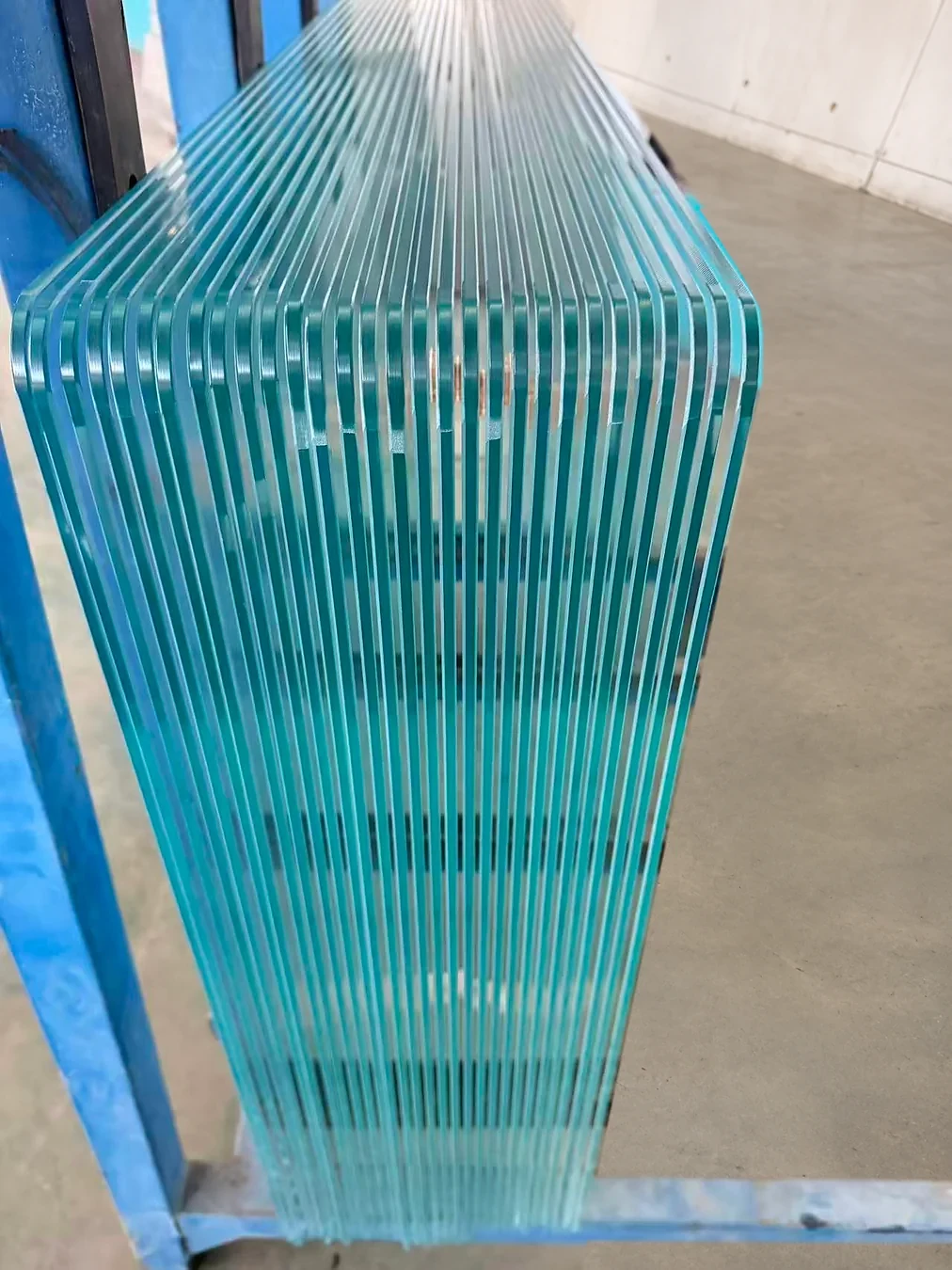
Glass fabrication capabilities
A façade panel, a backlit poster and a street display each ask something different of the glass. The installation determines the glass make-up, the edge detail and which surface the viewer sees.
From fabrication to dispatch
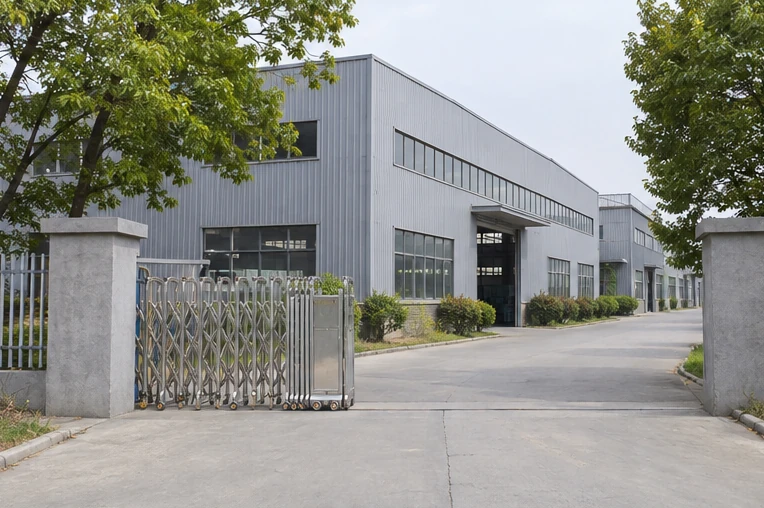
From Jiangsu to your project site
We fabricate glass for façades, lightboxes and display assemblies. Share the application, destination and delivery window so fabrication and packing can be discussed together.
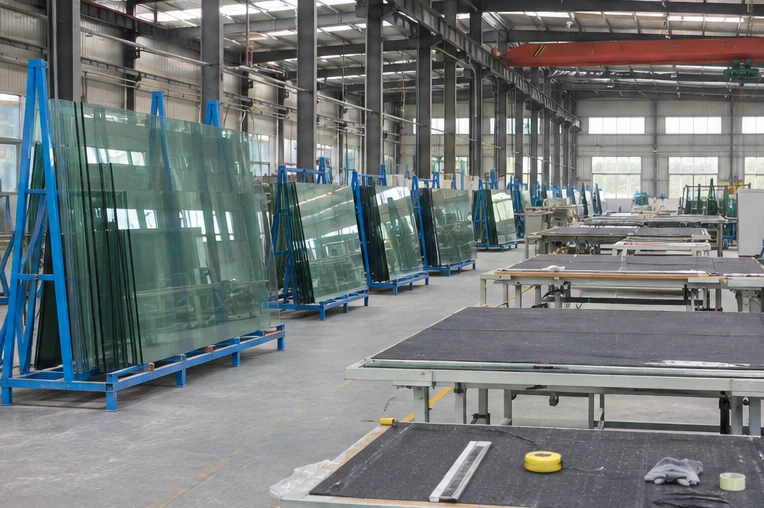
Cutting, edge finishing and drilling
For custom covers, the drawing defines the outline, exposed edges and mounting holes. Mark corner radii and hole centres from the same reference edges used on the frame.
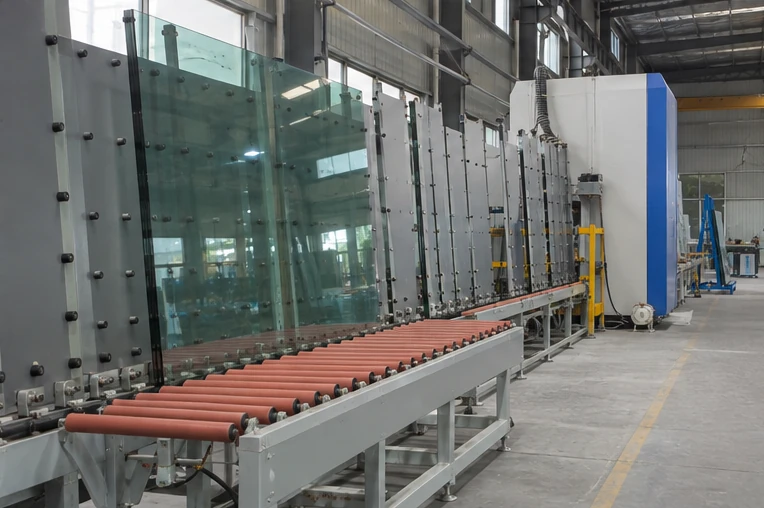
Tempering and insulating glass
We fabricate flat and curved tempered glass and double- or triple-glazed units. For curved panes, include the bend radius. For insulating glass, specify the pane and cavity thicknesses.
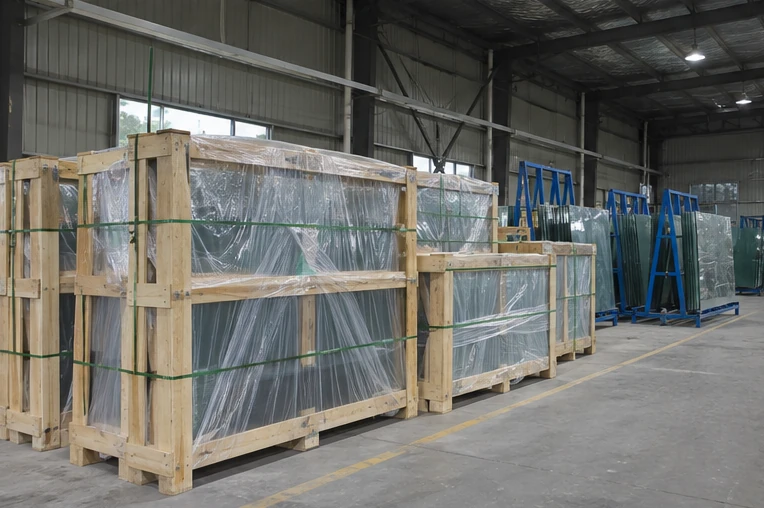
Batching and protective packing
List quantities by drawing number. For lightbox glass, wooden crates with foam and sponge cushioning protect the panels. Include any requirements for crate grouping and unloading.
Materials and processes
- Cutting, edge grinding and drilling
- For lightbox covers, we cut panels to size, grind the edges and drill mounting holes, including on custom outlines. Mark the reference edges so the glass and mounting frame share the same datum.
- Flat and curved tempered glass
- Our equipment includes a forced-convection tempering furnace. We offer flat and curved tempered glass, with heat soaking available when called for in the architectural specification.
- Laminated and insulating glass
- Laminated glass incorporates a PVB or SGP interlayer. Our insulating glass line produces double- and triple-glazed units. Specify each pane, cavity and overall thickness for the unit you need.
- Printed surfaces and display finishes
- Screen printing adds patterns or opaque areas to architectural glass. For lightbox fronts, low-iron glass helps preserve artwork colours, while an anti-glare surface can reduce distracting reflections.
What to mark on a cover glass drawing
- Glass edge and visible opening
- Dimension the outside of the panel and the visible area separately. Include units, thickness, corner radii and any required tolerances.
- Mounting and orientation
- Give each hole a diameter and two centre dimensions from the reference edges. Mark the viewing face and the position of any print or surface treatment.
- Part number and revision
- Use a separate line for each part number and quantity. For lightbox glass, mention any crate or unloading limits so the wooden packing and cushioning can be discussed before dispatch.