Tempered vs. Laminated vs. Insulating Glass for Façades
A façade specification can combine different glass constructions. Identify the requirements for each panel rather than quoting every pane as one item.
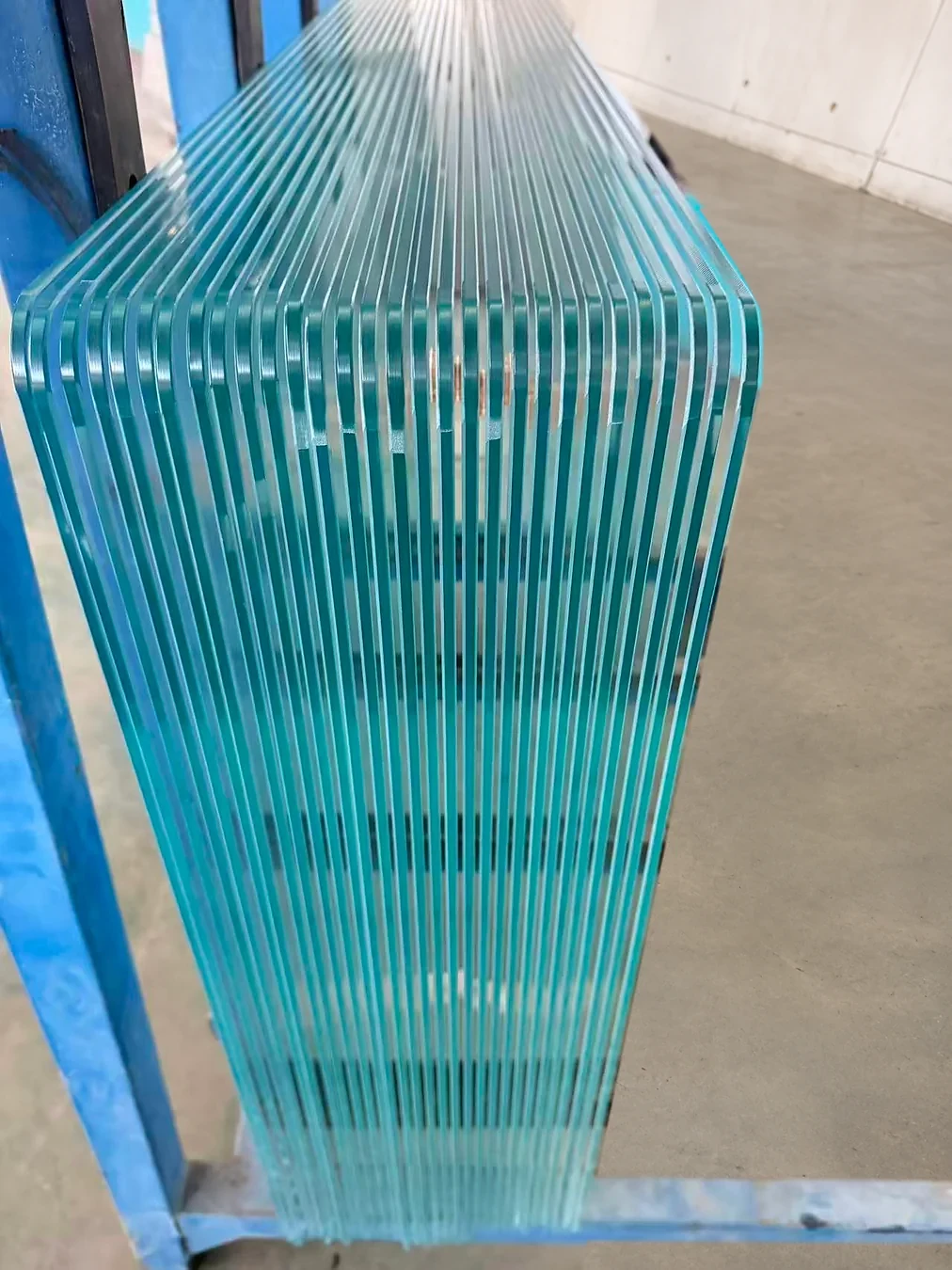
Tempered glass
Heat treatment increases glass strength. For curved panes, add the radius, bend direction and section profile to the schedule.
Laminated glass
An interlayer bonds the glass plies and helps retain fragments after breakage. List the ply thicknesses and interlayer specified by the project.
Insulating glass
Two or three panes enclose sealed cavities. List each pane and cavity separately, and provide any thermal or acoustic targets required by the project.
Can an insulating glass unit include tempered or laminated glass?
Yes. Tempered describes a treatment applied to a pane. Laminated describes plies bonded by an interlayer. Insulating describes an assembly with a sealed cavity. A double-glazed insulating glass unit (IGU) can use a tempered outer pane and a laminated inner pane when the project calls for that build-up.
What belongs in a façade glass schedule?
Tie each pane or unit to the elevation and give it a unique panel mark. List finished size, glass build-up from exterior to interior, overall thickness, cavity widths where applicable, any surface treatment and quantity. Include corner or curved section details in a drawing.
Which performance requirements should go in the RFQ?
Use the project specification to identify thermal, acoustic, safety and documentation requirements. Include the applicable project standards and required test information so the proposed construction can be reviewed against them.