Custom Cover Glass Drawings: Dimensions, Holes and Edge Finish
Give each glass part its own drawing number, revision and quantity so it can be matched to the correct frame.
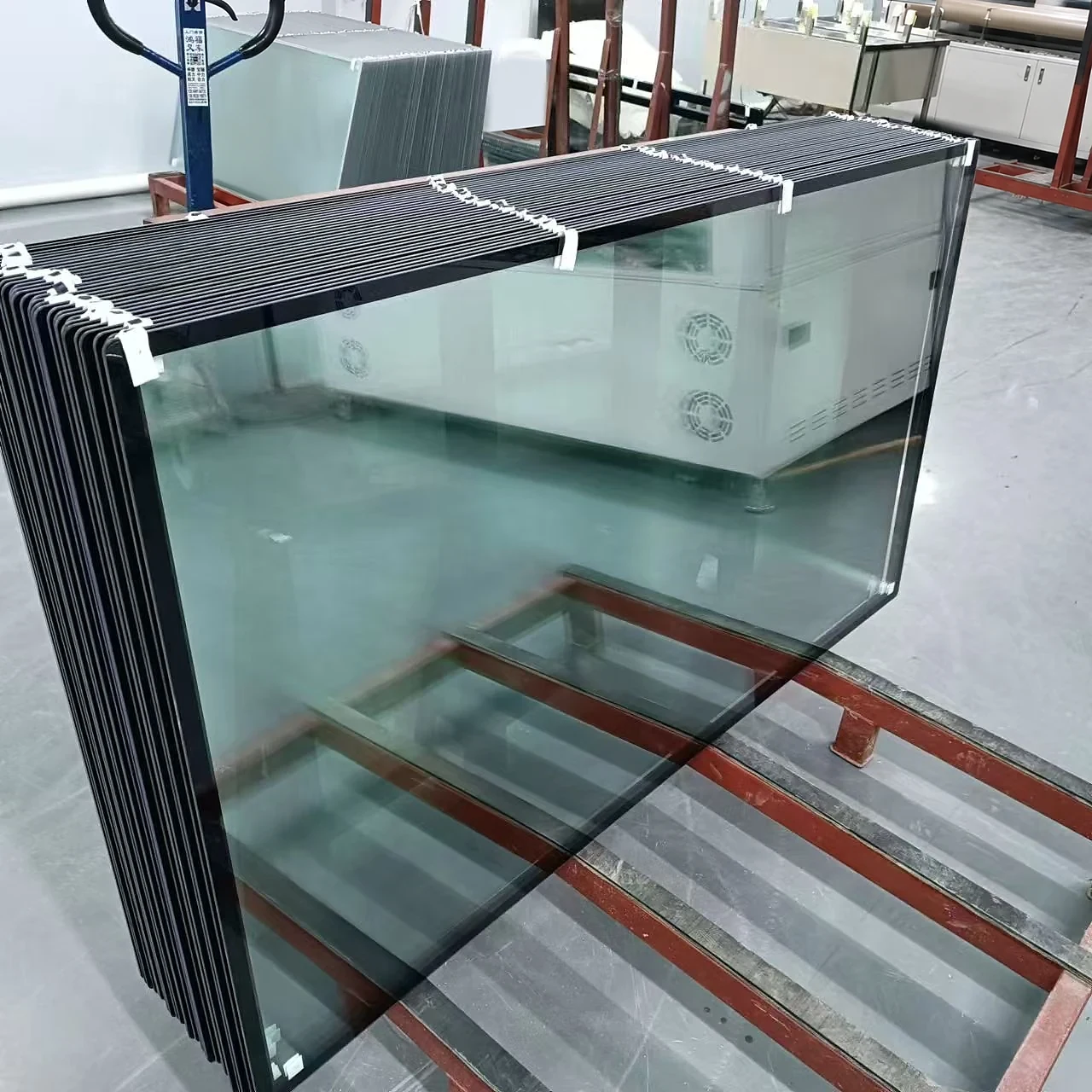
Dimension both outlines
Show the finished glass width, height and corner radii. Mark the clear viewing opening separately, especially when a black border hides the mounting frame.
Locate the holes
Choose two reference edges and dimension each hole centre from both. State hole diameters, units and required tolerances.
Identify the viewing face
Mark which side faces the viewer and where any printing or anti-glare finish belongs. For an existing frame, include a section showing the gasket and glass clearance.
Specify polished edges and custom cutouts
Mark exposed edges and distinguish them from edges concealed by the frame. If a cover has an asymmetric outline, show the viewing side and drawing orientation. Check the relationship between holes, corner radii and the edge before releasing the drawing for fabrication.
Choose low-iron or anti-glare cover glass
Low-iron glass is worth considering when colour fidelity matters for a backlit graphic. For anti-glare glass, compare fine text and reflections under representative lighting and at the expected viewing distance. Specify which face needs treatment.
What to send for a custom glass quote
Start with the drawing revision, glass thickness, units, dimensions and quantities by part number. For a replacement cover, add the frame opening, gasket details and photographs of the installed assembly. Identify any dimensions that are critical for fit.